Important Tips for Finding a Dependable Auto Repair Shop
Choosing a trustworthy vehicle repair facility is critical for vehicle maintenance and safety. Various factors influence this decision, from technician credentials to customer testimonials. Knowing the details of warranty agreements can prevent future complications. Open communication with repair professionals also is instrumental in guaranteeing reliable repairs. Every factor contributes to the complete experience. How should one approach this significant selection process? The guidance below will illuminate your journey to finding a dependable auto repair center.
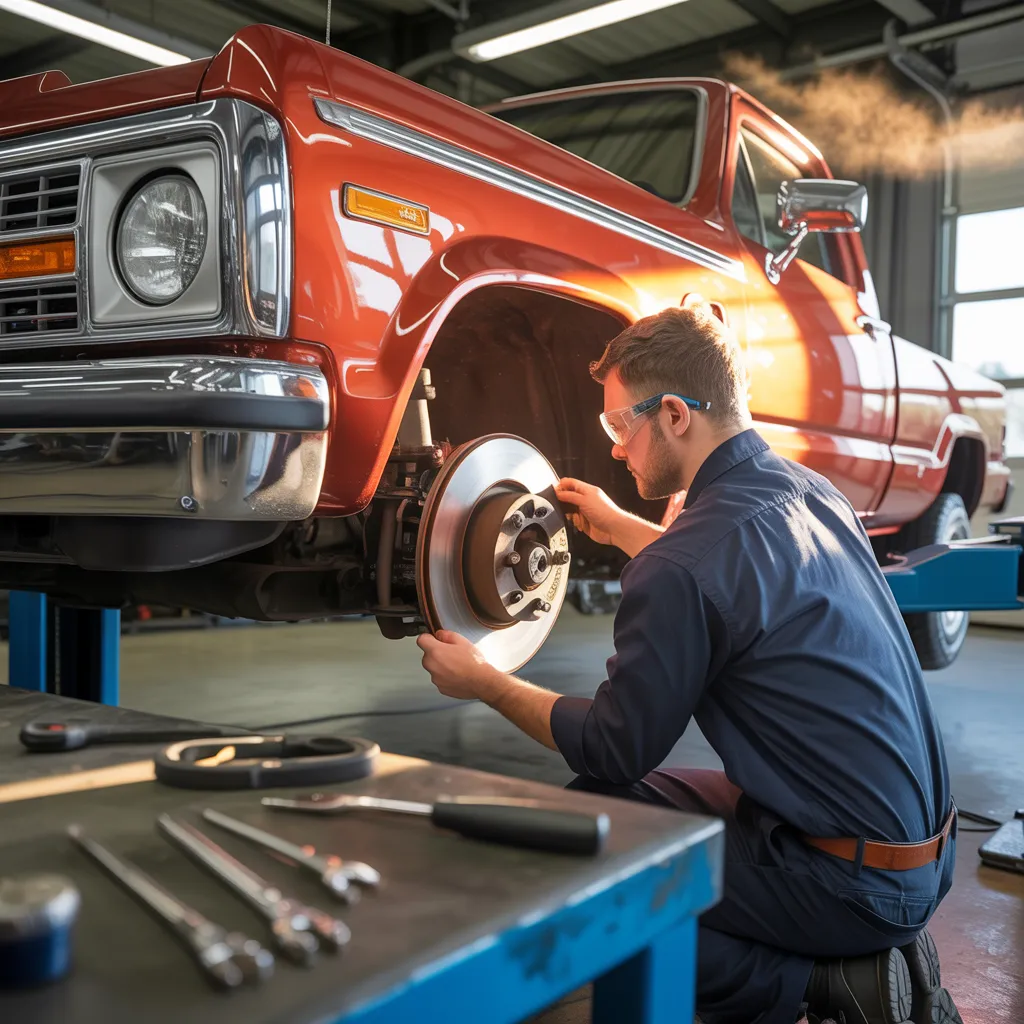
Why Choosing the Right Auto Repair Shop Matters
Picking the correct auto repair shop is important, as it can significantly impact both vehicle performance and owner peace of mind. A trustworthy shop assures that repairs are executed correctly, boosting the longevity and efficiency of the vehicle. Owners who opt for a reputable establishment often experience fewer breakdowns and lower repair costs over time, as excellent work minimizes the need for repeat visits.
Furthermore, a trustworthy auto repair shop cultivates a sense of assurance among vehicle owners. Car owners are better positioned to feel at ease in their choice, knowing that qualified technicians are servicing their cars. This assurance can lead to more consistent maintenance practices, ultimately resulting in increased vehicle safety. Furthermore, forming a relationship with a dependable shop can facilitate the repair process, providing ready access to expert advice and efficient service. To summarize, making an educated choice in auto repair can considerably affect both the car's functionality and the car owner's total contentment.
Seek Out Certifications and Qualifications
When seeking an auto repair shop, it is crucial to assess the certifications and qualifications of the technicians. Certified technicians frequently have advanced training and have showcased their competence through testing. Common certifications include those from the National Institute for Automotive Service Excellence (ASE), which indicates a strong foundation of knowledge and abilities. Additionally, associations with reputable organizations, such as the Automotive Service Association (ASA), can help establish a shop's commitment to quality.
A highly skilled technician is better positioned to diagnose issues accurately and execute needed repairs with expertise, which ultimately results in enhanced service outcomes and increased customer satisfaction. Verifying brand-specific credentials can also ensure that technicians are trained on cutting-edge techniques and updated repair procedures for particular automobile manufacturers. By prioritizing certifications and qualifications, automobile owners can enhance their chances of obtaining dependable and high-quality vehicle repair services.
Check Out Customer Reviews for Your Auto Repair Shop
In what ways do customer reviews impact the selection of an auto repair shop? Customer reviews act as helpful indicators of past clients' experiences, offering a window into the level of service provided. Potential customers are able to gauge elements such as reliability, professionalism, and cost through these reviews. Glowing reviews commonly point to a dependable and trustworthy shop, while unfavorable comments can draw attention to potential warning signs.
Furthermore, assessments can highlight service-related patterns, such as consistent wait times or the effectiveness of repairs. Web-based platforms and social networks magnify these opinions, allowing for a broader range of perspectives to be gathered. When considering an automotive service center, customers should examine the cumulative rating together with individual comments concerning service standards and client engagement. These insights can steer them toward a service center that aligns with their needs and goals, consequently securing a more rewarding car repair encounter.
Exploring Warranty and Guarantee Policies
Comprehending warranty and guarantee terms is essential when picking an auto repair shop. Such policies detail what repairs are covered and the conditions under which they apply. Understanding the specifics can help vehicle owners make informed decisions and provide peace of mind concerning their vehicle repairs.
Warranty Coverage Details
Overseeing warranty coverage details can greatly impact the overall experience with an auto repair shop. A clear understanding of what is protected under warranty can avoid confusion and dissatisfaction. Auto repair shops commonly offer warranties on parts and labor, but the details can vary significantly. Customers should ask about the duration of the warranty, the categories of repairs or parts covered, and any exceptions that might apply. Additionally, it is essential to understand whether the warranty is honored nationwide or confined to the individual shop. Diligently reviewing these details before committing to services ensures that customers are safeguarded against potential defects or issues. This knowledgeable approach fosters trust and enhances the overall repair experience.
Guarantee Terms Explained
What should customers be aware of regarding guarantee terms when picking an auto repair shop? It is essential to understand the difference between warranties and guarantees. A warranty generally applies to specific repairs or components for a set period of time, ensuring that if issues arise, the shop will address them at no extra cost. On the other hand, a guarantee typically demonstrates the shop's dedication to quality service, promising satisfaction or a refund if the service fails to meet standards. Customers should inquire about the duration, coverage specifics, and limitations of these policies. Additionally, they should read the fine print to avoid misunderstandings. By clarifying these terms, customers can make informed decisions and choose a repair shop that stands behind its work.
How to Communicate Effectively With Your Mechanic
What is the best way to ensure that interactions with a mechanic remain clear and productive? The first step is to thoroughly explain the symptoms the vehicle is experiencing. Rather than using unclear descriptions, the focus should be on particular problems, like strange sounds or illuminated dashboard indicators. Doing so enables the mechanic to identify the issue with greater precision.
Furthermore, asking questions plays a vital role. Asking about the repair process, required parts, and anticipated timelines promotes a better understanding. Active listening is also critically important; one should pay attention to the mechanic's explanations and ask for clarification if anything is unclear.
Moreover, it's beneficial to establish a rapport with the auto professional. Fostering trust can result in improved service and more tailored care for the automobile. To conclude, maintaining written records of previous repairs and services can enhance communication by giving context for current issues. Proper communication eventually results in a more positive maintenance experience.
Compare Quotes and Pricing
A thorough review of rates and quotes can reveal considerable discrepancies between car repair shops. When pursuing auto repairs, car owners should collect proposals from multiple shops to understand the market rate for needed services. This practice not only offers clarity on anticipated charges but also exposes varying levels of service.
It is essential to consider what each quote covers. Some establishments might advertise reduced prices but cut corners on parts quality or service warranties, while some may charge a premium for better service and higher-quality parts. Furthermore, being aware of how costs are broken down—parts, labor, and any possible additional charges—can help consumers make an informed choice.
In addition to cost, customer service and reputation are equally important factors. A slightly more expensive shop may provide greater reliability and a more dependable experience. In the end, weighing cost against quality and service reputation ensures a more favorable result for vehicle repairs.
Questions We Often Receive
How Do I Know if a Shop Can Be Trusted?
A reliable store often displays accreditations, features straightforward pricing, and has see guide excellent client feedback. Additionally, a friendly setting with knowledgeable team members can indicate dependability, while effective correspondence and service assurances further strengthen confidence in their offerings.
What Can I Do if I'm Not Satisfied With Repairs?
When unhappy with the quality of repairs, the customer should initially address their concerns with the shop directly. If the issue remains unresolved, obtaining a second opinion or reaching out to consumer protection agencies may be needed to handle the situation properly.
Are There Particular Warning Signs to Look Out For?
Warning signs to look out for consist of missing credentials, imprecise cost estimates, unresolved workmanship, unfavorable customer testimonials, a lack of professionalism, and reluctance to provide detailed explanations. These indicators often signify potential issues with the repair shop's reliability.
How Frequently Should I Have My Vehicle Serviced?
Cars ought to be maintained every 5,000 to 7,500 miles or every 6 months, whichever comes first. Routine servicing ensures top performance, safety, and longevity, avoiding expensive repairs and enhancing overall driving experience.
Can I Request to See Old Parts After Repairs?
Yes, vehicle owners can inquire about seeing replaced components after the repair process. Most reputable shops honor these requests, as openness fosters confidence. Understanding the condition of replaced components can give customers confidence about the standard of work completed.
Comments on “Auto Repair: Trusted Vehicle Repair Services for Transmission Repairs”